Struggling to sculpt your features without looking like you have dirt streaks on your face? You’re not alone. Cream contour kits have revolutionized the way we approach facial sculpting, offering a forgiving, blendable entry point for makeup newcomers who want that Instagram-worthy definition without the harsh lines and steep learning curve of traditional powder formulas.
The magic lies in their emollient textures that melt seamlessly into skin, giving you precious extra seconds to blend before they set. But not all cream contours are created equal, especially when you’re just starting your journey. The difference between a kit that makes you feel like a makeup artist and one that leaves you frustrated often comes down to understanding a few key features that most beauty tutorials gloss over.
Top 10 Cream Contour Kits for Beginners
Detailed Product Reviews
1. W7 Lift & Sculpt Cream Contour Kit - Concealing, Highlighting & Contouring Makeup Palette - Step-by-Step Instructions Included

Overview: The W7 Lift & Sculpt Cream Contour Kit delivers professional-grade contouring at an unbeatable drugstore price. This six-pan palette features highly pigmented creams for sculpting, defining, and highlighting all skin tones. Designed by London makeup artists, it includes integrated step-by-step instructions printed inside the packaging, ensuring accessibility for beginners while offering enough versatility for experienced users. The formula works across dry, normal, and oily skin types without emphasizing texture.
What Makes It Stand Out: This kit excels in its professional-quality formulation at a budget price point. The six cream textures blend seamlessly and build gradually for customizable intensity. The permanent instruction system—printed directly inside the case rather than a separate booklet—demonstrates thoughtful design for beginners. As a PETA-approved, 100% cruelty-free brand, W7 prioritizes ethical beauty without compromising performance, making it stand out among similarly priced competitors.
Value for Money: At just $5.90, this represents exceptional value—costing less than a single high-end contour stick while delivering a complete six-shade system. The price per ounce ($8.43) is competitive with mass-market brands, yet the quality rivals premium options. For budget-conscious beauty enthusiasts or teens building their first kit, this offers near-professional results without financial strain, eliminating the need to purchase multiple separate products.
Strengths and Weaknesses: Strengths: Unbeatable price; professional pigmentation; integrated instructions; cruelty-free; suits all skin types; compact design Weaknesses: Limited shade range for deep skin tones; non-refillable pans; basic packaging; requires setting powder for longevity
Bottom Line: The W7 Lift & Sculpt Kit is a standout choice for beginners and budget-savvy makeup lovers seeking quality contouring tools. While it lacks refillable pans and premium packaging, its performance, ethical credentials, and integrated guidance make it an exceptional entry-level palette that punches well above its weight class.
2. Youngfocus Cosmetics Cream Contour Best 8 Colors Contouring Foundation - Highlighting Makeup Kit/Concealer Palette - Vegan, Cruelty Free and Hypoallergenic - Instruction Manual(Face Blushes)

Overview: Youngfocus Cosmetics offers an eight-color cream contour kit that combines versatility with skin-conscious formulation. This innovative palette features removable and refillable pans with three contour shades, three highlighters, one blush, and one shimmering highlighter. Medical skin-tested and hypoallergenic, the formula provides full coverage for blemishes and uneven pigmentation while enabling professional-grade facial sculpting for diverse skin types.
What Makes It Stand Out: The eight-shade configuration provides exceptional customization, particularly for those with freckles or deeper skin tones who struggle to find matching contour colors. The removable pan design adds sustainability and value. The formula’s multi-functionality stands out—it doubles as an eyeshadow base and delivers long-lasting coverage without creasing. As a vegan, cruelty-free product made from 100% natural ingredients, it serves those with sensitive skin and ethical priorities.
Value for Money: At $17.99, this kit positions itself in the mid-range, offering more shades than typical six-pan palettes. The refillable design extends its lifespan, making the initial investment more economical over time. While pricier than budget options, the eight specialized colors, dual-purpose functionality, and skin-safe ingredients justify the cost compared to purchasing separate contour, concealer, and blush products, saving money long-term.
Strengths and Weaknesses: Strengths: Eight versatile shades; refillable pans; hypoallergenic natural formula; vegan/cruelty-free; medical skin-tested; multi-functional use Weaknesses: Higher learning curve for beginners; some shades may go unused; packaging durability concerns; requires thorough blending
Bottom Line: Youngfocus’s eight-color kit is ideal for intermediate to advanced users seeking a comprehensive, ethical contouring solution. The refillable design and skin-safe formulation make it worth the moderate investment, though beginners might prefer simpler palettes with integrated guidance. It’s a versatile workhorse for conscientious beauty enthusiasts.
3. IONSGAKO 6 Colors Cream Contour Stick Makeup Kit, Double-ended Cream Highlighter Stick Bronzer and Blush Stick for Sculpt the Cheeks, Matte & Dewy Finish, Face Contour Kit for Beginners, Set B

Overview: The IONSGAKO 6 Colors Cream Contour Stick Kit revolutionizes portable contouring with its innovative double-ended design. This travel-friendly set includes three sticks—contour, highlighter, and blush—each providing dual functionality for creating professional 3D effects. The creamy, breathable formula contains moisturizing ingredients that nourish skin while delivering buildable, long-lasting color that resists caking and fading throughout daily wear.
What Makes It Stand Out: The stick format eliminates the need for separate brushes, making it perfect for on-the-go application and beginners intimidated by traditional palettes. Each stick’s dual-ended design maximizes value while minimizing clutter. The included brush and sponge ensure seamless blending, and the formula’s versatility allows the blush to double as eyeshadow or lip tint. The combination of matte and dewy finishes provides flexibility for different looks.
Value for Money: At $9.98, this kit offers remarkable convenience and portability at an accessible price. The stick format reduces product waste common with pan palettes, and multi-use capabilities effectively replace three separate products. While the per-ounce cost appears high due to format, the practical value lies in its efficiency and reduced need for additional tools, making it cost-effective for daily use and travel, especially for beginners.
Strengths and Weaknesses: Strengths: Ultra-portable stick format; includes applicators; moisturizing formula; multi-use capabilities; beginner-friendly; matte and dewy options Weaknesses: Limited shade range; twist-up mechanism may malfunction; less precise than brush application; smaller quantity per shade
Bottom Line: IONSGAKO’s contour sticks are perfect for makeup minimalists, travelers, and beginners prioritizing convenience. The innovative format and included tools make it an excellent value for those wanting quick, natural-looking contour without palette complexity. While shade range is limited, its portability and ease of use are unmatched.
4. Aesthetica Cosmetics Cream Contour and Highlighting Makeup Kit - Contouring Foundation/Concealer Palette - Vegan & Cruelty Free - Step-by-Step Instructions Included
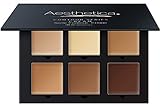
Overview: The Aesthetica Cosmetics Cream Contour Kit represents the premium tier of contouring palettes, offering six silky, blendable creams in a sleek mirrored compact. This professional-grade kit includes three contour and three highlight shades with removable, refillable pans. What distinguishes Aesthetica is the comprehensive instruction system featuring step-by-step guides, face shape diagrams, and contour mapping techniques that elevate user technique beyond basic application.
What Makes It Stand Out: The educational component sets this kit apart—detailed face shape analysis helps users customize contour placement for their unique features rather than following generic tutorials. The formula is exceptionally clean: talc-free, paraben-free, vegan, cruelty-free, and gluten-free, making it suitable for the most sensitive skin. The removable pan system supports sustainability, while the mirrored, travel-friendly packaging adds luxury and practicality for professional and personal use.
Value for Money: At $29.97, this is the premium option, but the price reflects superior ingredients, educational resources, and refillable design. The cost per ounce ($47.57) aligns with mid-tier professional brands, yet the comprehensive guidance system adds unique value. For serious makeup enthusiasts willing to invest in quality and technique development, this kit offers better long-term value than repeatedly buying cheaper, non-refillable alternatives that lack educational support.
Strengths and Weaknesses: Strengths: Professional-grade formula; extensive educational materials; refillable pans; clean ingredient profile; mirrored compact; suitable for all skin types Weaknesses: Highest price point; may overwhelm absolute beginners; requires quality brushes; contour shades run warm
Bottom Line: Aesthetica’s kit is the top choice for committed contour enthusiasts seeking professional results and clean beauty standards. The investment pays dividends through improved technique, sustainable design, and skin-safe formulation, making it worth the premium for those serious about sculpting and willing to learn proper application methods.
5. Youngfocus Cosmetics Cream Contour Best 8 Colors and Highlighting Makeup Kit - Contouring Foundation/Concealer Palette - Vegan & Cruelty Free - Step-by-Step Instructions Included

Overview: Youngfocus Cosmetics presents another eight-shade contour kit variant, this time featuring four highlighting and four contouring shades in a comprehensive palette. Like its sister product, this version emphasizes customization for diverse skin tones and types. The medical skin-tested, hypoallergenic formula uses 100% natural ingredients to deliver full-coverage concealing and contouring capabilities while remaining gentle enough for all ages and sensitivities, making it a versatile addition to any collection.
What Makes It Stand Out: The balanced 4:4 highlight-to-contour ratio provides exceptional versatility for creating dramatic to natural looks. The removable, refillable pan design supports sustainability and allows users to customize their palette as preferences evolve. The formula’s ability to correct dark circles, spots, and imperfections while contouring adds multi-functional value. As a vegan, cruelty-free product tested on medical skin, it bridges the gap between performance and safety for conscientious consumers seeking reliable results.
Value for Money: Priced at $16.89, this kit offers slightly better value than Youngfocus’s other eight-shade version, with more focused contouring shades. The refillable design and natural ingredients justify the mid-range price, particularly for those with sensitive skin who might otherwise need expensive specialty products. Compared to buying separate high-quality concealers and contour products, this unified palette delivers significant savings while maintaining professional standards.
Strengths and Weaknesses: Strengths: Balanced shade selection; refillable pans; hypoallergenic natural formula; vegan/cruelty-free; medical testing; versatile for all skin tones Weaknesses: Lacks blush/shimmer shades; steeper learning curve; packaging could be more robust; requires diligent blending for seamless results
Bottom Line: This Youngfocus variant excels for users wanting equal highlight and contour options in a skin-safe, ethical formulation. The eight-shade system offers professional flexibility at a reasonable price, making it ideal for intermediate users building a versatile, conscientious makeup collection who don’t need additional blush or shimmer products.
6. 4 Colors Cream Contour Sticks Makeup Kit, Primer Face Highlighter Contouring for Beginners, Highlight and Contour Kit, Cream Concealer Makeup Blur Stick, Primer Face Corrector 1#,3#

Overview:
The 4 Colors Cream Contour Sticks Makeup Kit delivers a beginner-friendly introduction to sculpting and highlighting at an accessible $9.98 price point. This set features four silky, buttery-smooth cream sticks designed to blend seamlessly into skin, creating dimensional looks without requiring advanced technique. Marketed as both contour and primer, it promises versatility for everyday makeup routines.
What Makes It Stand Out:
The lightweight formula stands out for its hybrid powder-butter texture that combines pigmentation with blendability. The waterproof, long-lasting claim addresses common concerns about cream products fading throughout the day. Its natural, non-toxic ingredient list appeals to sensitive skin users, while the four-color system simplifies the often-confusing contour selection process for novices.
Value for Money:
At $4.99 per stick, this kit significantly undercuts mid-range competitors like Fenty Beauty or Anastasia Beverly Hills, which charge $20-30 per individual contour stick. The inclusion of four distinct shades in one purchase eliminates guesswork and provides immediate versatility, making it an economical choice for building a contour collection.
Strengths and Weaknesses:
Strengths include the genuinely blendable formula, travel-friendly packaging, waterproof wear, and gentle ingredients suitable for sensitive skin. The silky texture prevents tugging on delicate facial skin. Weaknesses involve limited shade depth for deeper skin tones, potential need for setting powder to prevent creasing, and modest pigmentation requiring layering for dramatic effects.
Bottom Line:
This kit excels as an entry-level contour solution for fair to medium skin tones. While it won’t replace professional-grade products for makeup artists, it offers impressive quality and usability for beginners seeking to experiment without financial commitment. Perfect for daily wear and learning contour fundamentals.
7. IONSGAKO 6 Colors Cream Contour Stick Makeup Kit, Double-ended Cream Highlighter Stick Bronzer and Blush Stick for Sculpt the Cheeks, Matte & Dewy Finish, Face Contour Kit for Beginners, Set A

Overview:
The IONSGAKO 6 Colors Cream Contour Stick Makeup Kit revolutionizes portable contouring with its innovative double-ended design at $9.98. This comprehensive set includes contour, highlighter, and blush sticks, effectively creating a complete complexion sculpting system in compact form. The inclusion of both matte and dewy finishes provides versatility for different looks and skin types.
What Makes It Stand Out:
The double-ended format maximizes value by offering two products per stick, while the moisturizing, skin-friendly formula prevents the dryness often associated with long-wear makeup. The brand explicitly designed this for all skin tones, from fair to deep, with six colors enabling true customization. Bonus inclusion of a brush and sponge elevates it beyond typical budget kits.
Value for Money:
Despite the confusing ounce-based pricing metric, the overall $9.98 investment delivers six distinct cream products plus application tools—a remarkable value proposition. Comparable multi-stick sets from premium brands easily exceed $40, making this an accessible gateway to professional contouring techniques without the steep learning curve or expense.
Strengths and Weaknesses:
Major strengths include the versatile shade range, nourishing formula that resists caking, multi-use potential (eyeshadow, lip color), and included application tools. The double-ended design saves space but may lead to product waste if one side runs out faster. Some users might find the pigmentation too subtle for very deep skin tones, requiring multiple layers.
Bottom Line:
This all-in-one kit serves as an exceptional value for beginners and travelers. The thoughtful inclusion of blush alongside traditional contour and highlight shades makes it a comprehensive solution. Ideal for those wanting maximum versatility in minimal space, though serious contour enthusiasts may eventually upgrade to higher-pigment alternatives.
8. evpct 6 Colors Face Contour and Highlight Palette Face Contouring Makeup Kit for Beginners Contour Palette for Mature Skin powder Foundation Concealer Bronzer Powder Highlighter Makeup Palette

Overview:
The evpct 6 Colors Face Contour and Highlight Palette distinguishes itself as a powder-based alternative in the cream-dominated budget contour market, priced attractively at $7.99. Specifically marketed toward mature skin, this palette features six micro-pearl infused powders designed to brighten and sculpt without emphasizing fine lines or texture.
What Makes It Stand Out:
The powder format offers distinct advantages for oily skin types and humid climates where creams might break down. Its multi-functionality extends beyond facial contouring to body application—enhancing collarbones, décolletage, and even creating faux abdominal definition. The micro-pearl finish provides luminosity without obvious glitter, maintaining sophistication.
Value for Money:
At $7.99 for six powder pans, this palette delivers one of the lowest per-shade costs in the contour category. High-end powder contour palettes typically range from $25-50, making this an exceptional budget alternative. The waterproof, cruelty-free formula further enhances its value proposition for ethically-minded consumers.
Strengths and Weaknesses:
Strengths include excellent oil control, buildable pigmentation, body-contouring versatility, and mature-skin-friendly texture. The powder formula ensures longevity without creasing. Weaknesses involve a steeper learning curve for blending compared to creams, potential for looking cakey on dry skin, and less seamless integration on textured or very dry complexions. The glitter description may mislead those seeking matte contour.
Bottom Line:
This palette excels for oily-skinned users and those preferring powder formulations. Its mature-skin positioning is legitimate, as the fine-milled texture avoids accentuating wrinkles. While not as beginner-friendly as cream sticks, it offers superior longevity and versatility for confident users seeking a budget-friendly, multi-purpose sculpting solution.
9. Kaely 4 Color Highlighter Contour Stick,Cream Contour Palette Kit for Beginners,Bronzer Contouring Sticks,contorno maquillaje para mujer en oferta,Concealer Stick Primer Face Makeup Brightener,01+02

Overview:
The Kaely 4 Color Highlighter Contour Stick Kit mirrors the popular cream stick format at $8.99, positioning itself as a direct competitor in the beginner contour space. This set emphasizes waterproof, smudge-proof performance while maintaining a silky, lightweight texture that promises seamless blending for sculpted dimension.
What Makes It Stand Out:
The aggressive waterproof and sweat-proof claims differentiate it from standard cream contours, making it particularly appealing for active lifestyles, summer wear, or humid environments. The natural, non-toxic formula targets sensitive skin concerns, while the dual-ended packaging (implied by “2 in 1”) suggests multi-functionality in a streamlined design.
Value for Money:
At $4.50 per stick, this kit undercuts many drugstore alternatives while offering similar performance claims. The inclusion of four colors provides contour, highlight, and concealing options in one purchase. For budget-conscious consumers seeking reliable wear through workouts or long days, the value proposition centers on durability rather than luxury experience.
Strengths and Weaknesses:
Strengths include impressive water resistance, gentle formula suitable for reactive skin, smooth blendability, and versatile application points. The smudge-proof claim holds true for moderate wear. Weaknesses involve brand recognition concerns—lesser-known manufacturers may have inconsistent quality control. The pigmentation, while buildable, may not satisfy those seeking intense, one-swipe coverage. Limited shade depth for darker skin tones.
Bottom Line:
This kit serves active individuals and beginners prioritizing longevity over luxury. The waterproof performance genuinely exceeds expectations for the price point, making it ideal for summer events, sports, or long workdays. While it won’t convert cream contour purists, it’s a reliable, affordable workhorse for everyday sculpting needs.
10. 3Pcs Cream Contour Stick Makeup Kit, Shades with Highlighter, Blush and Bronzer Contour Stick for Sculpt the Cheeks, Long Lasting, Waterproof, Matte & Dewy Finish LIGHT MEDIUM(2+5+6)

Overview:
The 3Pcs Cream Contour Stick Makeup Kit takes a curated approach at $9.99, offering a streamlined trio of blush, bronzer, and highlighter specifically formulated for light to medium skin tones. This kit prioritizes simplicity over overwhelming choice, providing exactly three essential shades for complete complexion sculpting without decision fatigue.
What Makes It Stand Out:
The thoughtful inclusion of a coordinating blush alongside traditional contour and highlight shades creates a cohesive color story that eliminates mismatched undertone concerns. The waterproof, non-greasy formula works across facial and body applications, while the included double-ended brush and sponge demonstrate unusual completeness for a sub-$10 kit. The matte and dewy finish options add versatility.
Value for Money:
At roughly $3.33 per stick plus professional tools, this represents exceptional value. Purchasing comparable items separately—cream blush, bronzer, highlighter, and quality brushes—would easily exceed $30. The pre-selected shade combination for light-medium tones removes the trial-and-error expense common with larger palettes.
Strengths and Weaknesses:
Strengths include perfectly coordinated shades, true waterproof performance, nourishing cream texture, and the invaluable inclusion of blending tools. The compact size enhances portability. Weaknesses center on the limited, pre-determined shade range—deep skin tones are completely excluded, and the fixed trio prevents customization. The light-medium specificity may not suit olive or very fair complexions.
Bottom Line:
This kit excels as a turnkey solution for light-medium skin tones wanting a foolproof contour routine. The curated shade selection and included tools make it arguably the most beginner-friendly option available. However, its narrow shade range severely limits universal appeal. Purchase confidently if you fall within the target complexion range; otherwise, seek more inclusive alternatives.
Why Cream Contour Kits Are Perfect for Beginners
The Learning Curve: Cream vs. Powder
Let’s clear up a common misconception: powder isn’t inherently easier. While powders might seem less intimidating, they require precise placement and immediate blending with specific brush techniques. Cream formulations, conversely, act like watercolor paints for your face—they’re movable, correctable, and practically beg you to play with them. The moisture content creates a natural slip that allows you to push and diffuse product with minimal effort, making them infinitely more forgiving when your hand slips or you apply too much product.
The real advantage for beginners? Time. Cream products give you a 30-60 second blending window before they truly set, whereas powder settles instantly. This buffer zone is invaluable when you’re still training your muscle memory to map out your cheekbones and jawline correctly.
The Blendability Factor
Blendability isn’t just marketing fluff—it’s a measurable quality determined by the oil-to-wax ratio in the formula. High-quality cream contours contain emollients like dimethicone or natural oils that create a “slip” effect, allowing the pigment to diffuse rather than grab onto skin. This means you can achieve that seamless, natural shadow effect without advanced techniques like buffing, swirling, or stippling. For beginners, this translates to fewer tools, less frustration, and more consistent results from day one.
Understanding Cream Contour Formulations
Key Ingredients to Look For
When scanning ingredient lists, prioritize kits containing:
- Dimethicone or cyclopentasiloxane: These silicones create that essential slip and prevent patchiness
- Squalane or jojoba oil: Mimic skin’s natural oils for seamless integration
- Beeswax or carnauba wax: Provide structure without making the product stiff
- Vitamin E: Acts as a preservative and skin-conditioning agent
Avoid kits where mineral oil or petrolatum dominate the first five ingredients—these can feel greasy and slide off oily skin types within hours.
Texture and Consistency Matters
The ideal beginner cream contour sits somewhere between a solid balm and a liquid lipstick. It should indent slightly when you press it with a finger but not feel mushy. Too firm, and you’ll tug at your skin during application; too soft, and it migrates into fine lines before you can blend. The sweet spot? A texture that warms up on contact with skin but holds its shape in the pan.
Essential Features in Beginner-Friendly Kits
Shade Range and Undertone Matching
A truly beginner-friendly kit offers at least three contour depths: light, medium, and deep. But here’s what matters more than depth—undertone. Contour shades should be cool-toned (leaning gray or taupe) to mimic natural shadows, not warm bronzer shades. Many beginners mistakenly choose contours that are too warm, creating an orangey, muddy effect rather than sculpted dimension.
Look for kits that include a shade chart showing which depth works for which foundation range. This eliminates guesswork and prevents the common mistake of buying a kit that’s too dark for your complexion.
Buildable Coverage vs. High Pigmentation
Here’s a counterintuitive truth: highly pigmented contour isn’t better for beginners. You want buildable coverage—formulas that apply sheer but can be layered for intensity. This gives you control. A single swipe of a highly pigmented contour can leave you scrambling to blend away a dark stripe, while a buildable formula lets you gradually build your shadow, checking your work at each stage.
Test this by swatching on your hand: a beginner-friendly formula should deposit a translucent wash of color first, intensifying with subsequent layers.
Included Tools and Accessories
While professional artists prefer separate brushes, beginner kits that include a dual-ended tool—one side a dense synthetic brush for placement, the other a fluffier blender—eliminate decision paralysis. Some advanced kits even include a small mixing palette, which is surprisingly useful for warming up product and custom-blending shades to match your exact skin tone.
The Anatomy of a Perfect Contour Kit
The Core Shades You Actually Need
Forget the 8-pan palettes that overwhelm you with options. You need maximum three contour shades: your perfect match, one slightly lighter for subtle daytime sculpting, and one slightly deeper for dramatic evening looks. Anything more creates decision fatigue. The kit should also include corresponding highlight shades that share the same undertone family.
Highlighting Companions
A common beginner mistake is focusing solely on the contour shade. However, the highlight is what makes the contour pop. Look for kits where the highlight shade is roughly 1-2 shades lighter than your skin tone with a similar undertone. Avoid shimmery highlights in your primary kit—those are for separate purchase once you’ve mastered the basics. Matte highlights create the most natural, dimensional effect.
Bonus Shades and Their Uses
Some kits include a “banana” shade (pale yellow) for setting under-eye highlight, or a peach corrector to neutralize dark circles before contouring. While not essential, these additions signal a kit designed for real-world application, not just social media aesthetics. The peach shade, in particular, helps prevent your contour from looking ashy on deeper skin tones.
Application Techniques for Seamless Blending
The Warm-Up Step Nobody Talks About
Before touching your face, warm the product on the back of your hand. This does two things: it softens the cream for smoother application and gives you a preview of the true color, as cream contours often darken slightly when they melt. Spend 15 seconds circular-motions warming the product until it feels like softened butter. This single step prevents the patchy application that plagues beginners.
Brush vs. Beauty Sponge: The Great Debate
The truth? You need both, but for different stages. Use a dense, synthetic brush (preferably angled) for initial placement. The synthetic fibers won’t absorb product, giving you precise control. Then, switch to a damp beauty sponge for blending. The sponge’s bouncing motion diffuses edges without disturbing the product’s placement underneath.
The beginner hack: Use the edge of your sponge, not the flat side. This gives you more precision and prevents over-blending.
The Three-Step Blending Method
- Stamp: Press the product exactly where you want it using short, tapping motions
- Stretch: Use your sponge to gently pull the color outward by 2-3 millimeters
- Diffuse: Without adding more product, bounce the sponge over the entire area to eliminate harsh lines
This method creates a gradient effect that looks like natural bone structure, not makeup.
Common Beginner Mistakes and How to Avoid Them
The Stripe Effect
That dreaded dark line under your cheekbone happens when you apply contour as a continuous stripe. Instead, apply in short, dash-like segments following your bone structure. Think connect-the-dots rather than drawing a line. This creates built-in blending points and prevents product buildup.
Muddy Undertones
Muddiness occurs when your contour shade is too warm or you blend over the same area too many times. The fix: Layer your foundation first, then apply contour. This creates a barrier that prevents the contour’s undertone from mixing with your skin’s natural warmth. If you’ve already gone too warm, a tiny amount of taupe eyeshadow patted over the contour can neutralize orange tones.
Over-blending Into Oblivion
Blending too much doesn’t just soften the contour—it can make it disappear entirely or migrate to places you didn’t intend. The solution is strategic blending: only blend the edges, not the entire application. Leave the deepest part of your contour (closest to your ear) relatively untouched, and focus on feathering just the forward edge.
Color Theory for Contouring Success
Understanding Your Skin’s Undertone
Your contour shade should complement your undertone, not match it. Cool undertones (pink, red, blue) need gray-based taupes. Warm undertones (yellow, golden, peach) can handle slightly warmer browns but should still avoid orange. Neutral undertones have the most flexibility but should steer toward neutral-cool shades.
The foolproof test: Swatch the contour on your inner wrist. If it looks like a natural shadow (slightly grayish), it’s right. If it looks like bronzer, it’s too warm.
The Purpose of Cool vs. Warm Contour Shades
Cool shades create recession—they make areas appear to sink back, which is the entire point of contouring. Warm shades bring areas forward, which is why bronzers belong on the high points of your face, not the hollows. Beginners often confuse these principles, using warm bronzer as contour and ending up with a puffy, undefined look.
When to Use Taupe, Gray, or Brown
- Taupe: Fair to light skin tones (NC15-NC25)
- Gray-brown: Light-medium to medium skin (NC25-NC40)
- Rich brown: Medium-deep to deep skin (NC40+)
Deep skin tones should avoid overly gray contours, which can look ashy. Instead, opt for rich chocolates with a subtle cool undertone.
Skin Type Considerations
Oily Skin Strategies
Oily skin types fear cream contours for good reason—they can slide off by noon. The solution isn’t avoiding creams; it’s preparation. Use a mattifying primer focused only where you’ll contour (not your entire face). After contouring, press a translucent powder onto the contoured areas using a puff, not a brush. This sets the cream without disturbing its placement.
Dry Skin Solutions
Dry skin drinks up cream products, which is actually ideal for contouring. The risk is patchiness from flaky skin. Exfoliate gently 12 hours before application (not immediately before, which can cause irritation). Choose kits with hyaluronic acid or glycerin in the formula—these attract moisture and prevent the contour from clinging to dry patches.
Combination Skin Approaches
The challenge is managing different needs on one face. Apply cream contour only to your oily zones after mattifying them, and use a hydrating primer on dry zones before contouring. You might need two slightly different application techniques, but the result is worth the extra minute of effort.
Longevity and Wear Time Factors
Setting Cream Contour for All-Day Wear
The “baking” technique isn’t just for under-eyes. After blending your contour, apply a generous layer of translucent powder over it and let it sit for 2-3 minutes. This “cooking” process allows the powder to meld with the cream. Dust away the excess with a fluffy brush, and your contour will survive sweat, humidity, and accidental face-touching.
Primer Compatibility
Not all primers play nice with cream contours. Silicone-based primers work best with silicone-heavy contour formulas (check the ingredient list). Water-based primers can cause certain creams to separate or pill. When in doubt, do a patch test: apply primer to your jawline, let it set, then place a small amount of contour on top. If it blends smoothly, you’re good. If it balls up or slides, switch primers.
Budget vs. Luxury: What Actually Matters
Price Point Realities
A $60 contour kit isn’t necessarily six times better than a $10 one. The price difference often reflects packaging, brand prestige, and included tools—not formula quality. What matters for beginners is consistency: drugstore kits sometimes have batch variations, while luxury brands maintain stricter quality control. However, many mid-range options ($20-35) offer professional-grade formulas without the luxury markup.
Where to Invest vs. Where to Save
Invest in: A kit with a versatile shade range and buildable formula. This is your learning tool; quality here pays dividends.
Save on: Fancy brushes and extra accessories. A basic synthetic brush and a drugstore sponge will serve you perfectly while you’re learning.
Storage and Maintenance Tips
Preventing Product Dry-Out
Cream contours can dry out in as little as six months if not stored properly. Always tighten the lid immediately after use. Store kits away from bathroom humidity (the steam from showers degrades the formula). If a film develops on the surface, gently scrape it off with a clean spatula—don’t dig into the product, as that introduces bacteria.
Cleaning Your Tools for Best Performance
Dirty tools are the number one cause of patchy application. Wash brushes used for cream products after every use, not weekly. Creams breed bacteria faster than powders. Use a brush cleanser or gentle shampoo, reshape the bristles, and lay flat to dry. For sponges, microwave them damp for 60 seconds every three days to kill bacteria.
Shelf Life Awareness
Most cream contours have a 12-month shelf life after opening (check the PAO symbol—the little jar icon with a number). However, if you notice a change in smell, texture, or if the product starts separating, toss it immediately. Using expired cream contour can cause breakouts and skin irritation.
Building Your Contour Confidence
Practice Routines That Actually Work
Don’t practice on your face—it’s too emotionally charged. Instead, use a practice pad or even the back of your hand to map out placement and blending techniques. Spend five minutes daily for one week just practicing the three-step blending method. Muscle memory develops faster when you’re not worried about ruining your makeup.
Lighting Tricks for Flawless Application
Your bathroom’s overhead lighting is lying to you. Natural window light is best for application. If that’s not available, use a ring light positioned at eye level, not above. Overhead lights cast shadows that make you over-apply contour. The “golden hour” test: check your contour in late afternoon sunlight. If it looks natural there, it will look good everywhere.
Photography-Ready Contouring
Phone cameras wash out contour by about 30%. For photos, apply your contour 20% darker than you would for real life. But here’s the key: only deepen the area directly under your cheekbone, not the entire contour. This creates a sharper shadow that translates on camera while still looking natural in person.
Frequently Asked Questions
What’s the real difference between cream and powder contour for someone just starting out?
Cream contours offer a longer blending window and create more natural-looking shadows because they integrate with your skin’s texture. Powder contours require immediate, precise blending and can look flat or muddy if your technique isn’t perfect. For beginners, creams are more forgiving and help you understand placement before worrying about technique speed.
How do I know if a contour shade is too dark or too light for my skin tone?
The perfect contour shade should create a shadow that looks like natural bone structure, not obvious makeup. Test it by applying a small amount to your jawline and blending. If you can see a clear line, it’s too dark. If it disappears completely, it’s too light. The right shade will create subtle dimension that you notice when you turn your head but looks seamless straight-on.
Can cream contour kits work on acne-prone or sensitive skin?
Absolutely, but you must check the comedogenic rating. Look for “non-comedogenic” labels and avoid kits heavy in coconut oil, isopropyl myristate, or lanolin. Mineral oil-free formulas are your safest bet. Always patch test on your inner arm for 48 hours before facial application.
How long does it realistically take to get good at cream contouring?
Most beginners see dramatic improvement within two weeks of daily practice. However, “good” is subjective. You’ll learn basic placement in 3-5 practice sessions, but mastering undertone matching and seamless blending for different lighting situations takes about a month of consistent practice. The key is practicing technique, not just applying makeup.
Should I apply cream contour before or after foundation?
After foundation, always. Foundation creates an even canvas and prevents your contour from grabbing unevenly on bare skin. It also acts as a slight barrier, making the contour easier to blend. The exception: if you’re using a very sheer foundation or tinted moisturizer, you can apply contour first and then sheer foundation over it for an ultra-natural effect.
What’s the best tool for blending cream contour if I can only afford one?
A damp beauty sponge wins for versatility. While a brush gives more precise placement, a sponge can both apply and blend, making it the better single-tool choice. Opt for a teardrop-shaped sponge and use the pointed tip for placement and the rounded bottom for blending. Just be sure to clean it religiously.
How do I fix cream contour if I’ve applied too much?
Don’t try to blend it away—you’ll just spread the problem. Instead, take a clean, damp sponge and press it firmly over the over-applied area to lift excess product. Then, stipple a small amount of your foundation over the spot to sheer it out. If it’s still too intense, a light dusting of translucent powder in your exact skin tone can soften it further.
Can I wear cream contour without any other makeup?
Yes, and this is actually a great way to practice. On no-makeup days, apply a tiny amount of cream contour just to your cheekbones and jawline, blending with fingers. The natural oils on your fingers help sheer out the product for a subtle effect. This builds your confidence and helps you see the true impact of contouring without the distraction of other makeup.
How do I prevent cream contour from looking cakey or heavy?
The cakey look comes from layering too many cream products. Use the “thin layer” rule: apply your contour in the sheerest layer possible, blend completely, then decide if you need more. Also, ensure your skin is well-moisturized but not greasy before starting. The contour should sit on top of hydrated skin, not compete with it.
Is cream contour suitable for mature skin with fine lines?
Cream contour is actually ideal for mature skin because it doesn’t settle into lines the way powder does. The key is choosing a formula with hydrating ingredients and avoiding the under-eye area where product can migrate. Focus contour on the outer perimeter of the face—temples, jawline, and the hollows of cheeks—where fine lines are less prominent. Always set with a very light hand using a fluffy brush, never a heavy powder puff.